
Best Ways to Spend CME Money

How to Use CME Money in Ways That Improve Clinical Practice
Each year, healthcare professionals receive Continuing Medical Education (CME) stipends, often ranging from $2,000 to $5,000 depending on employer and specialty. Yet many clinicians still ask:
What is the best way to use CME money?
Not simply how to spend it. How to justify it.
CME money can be reframed as an investment rather than an expense. An investment in clinical excellence, in the sustainability of your practice or career, and in your own well-being. These funds exist to support you, not just to maintain credentials.
Healthcare professionals also commonly ask questions like:
Can I use CME money for something outside a traditional conference?
Will my institution approve an international program?
Is experiential or travel-based CME legitimate? Is this a boondoggle?
How do I defend this compared to online modules or grand rounds?
These are all reasonable concerns. Understanding how to use CME money strategically requires clarity about both accreditation standards and educational effectiveness.
What Are Typical Ways to Use CME Money?
Most institutions approve standard CME money uses such as:
National medical conferences
Specialty annual meetings
Grand rounds
Online CME subscriptions
Board review courses
Certification programs
These options are familiar and easy to justify administratively. But, familiarity does not always equal impact.
A landmark review published in JAMA found that traditional lecture-based CME increases knowledge but does not consistently change physician behavior. More recent analyses confirm that interactive CME programs that prioritize engagement lead to better physician performance than traditional programs .
If CME funds are meant to strengthen clinical performance, rather than simply fulfill licensure requirements, then the best use of CME money deserves closer evaluation.
How to Use CME Money Strategically
The best way to use CME money begins with one question: what outcome do I want from this education?
Research on continuing medical education shows that interactive, practice-integrated, and experiential formats are more likely to influence physician behavior than passive lectures. Adult learning theory supports this finding: professionals retain more when learning connects directly to experience, reflection, and application.
When considering how to use CME money, clinicians should evaluate whether a program:
Meets accreditation standards
Clearly defines learning objectives
Engages participants actively
Supports measurable practice change
Education that checks these boxes provides defensible justification to credentialing committees and department leaders.
Comparing CME Options: Passive Learning vs. Immersive Learning
Here's a side-by-side comparison to help guide your CME spending:
| Passive Learning (Lectures, Webinars) | Immersive Learning (Experiential Programs) |
|---|---|
| Delivers information efficiently | Focuses on lived experience and application |
| Short-term knowledge gain | Long-term clinical integration |
| Limited reflection and discussion | Built-in time for reflection and conversation |
| Information often fades quickly | Changes in practice that last |
| Lower upfront cost | Higher upfront investment, greater value over time |
Can You Use CME Money for Travel-Based or International Programs?
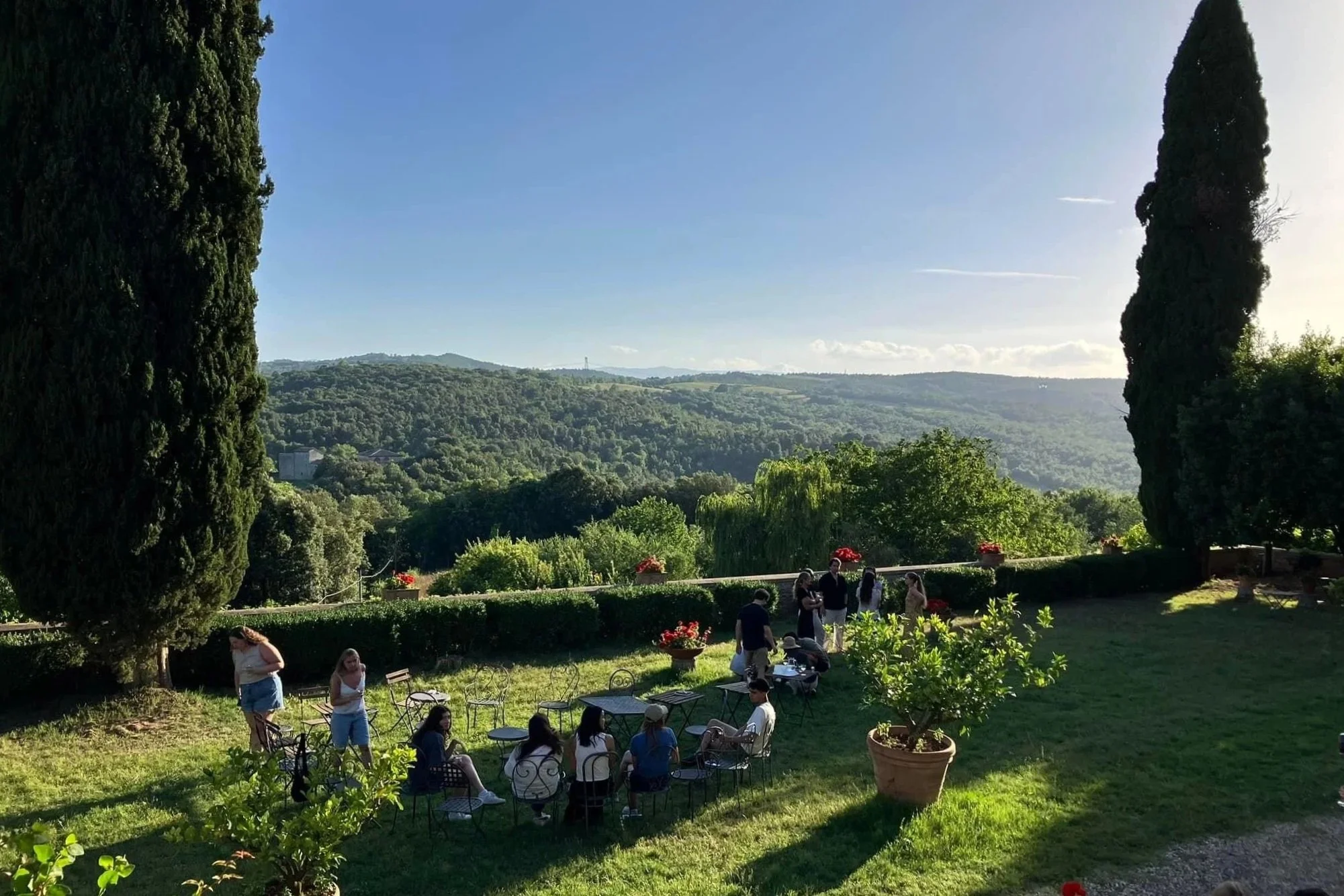
This is one of the most common questions clinicians raise.
The Accreditation Council for Continuing Medical Education (ACCME) evaluates programs based on educational design and accreditation standards, not geographic location.
A program may qualify for CME funding if it:
Offers accredited credit (i.e. AMA PRA Category 1 Credit™)
Defines measurable learning objectives
Documents faculty qualifications
Demonstrates educational relevance
Location alone does not disqualify a program. In fact, getting away and immersing yourself is a far more powerful way to learn.
Institutions vary in reimbursement policies, so early communication with your credentialing office is essential. In making the case, note that experiential and international programs that meet accreditation criteria represent legitimate, even vastly better, uses of CME money.
Why Experiential Education Often Represents the Best Use of CME Money
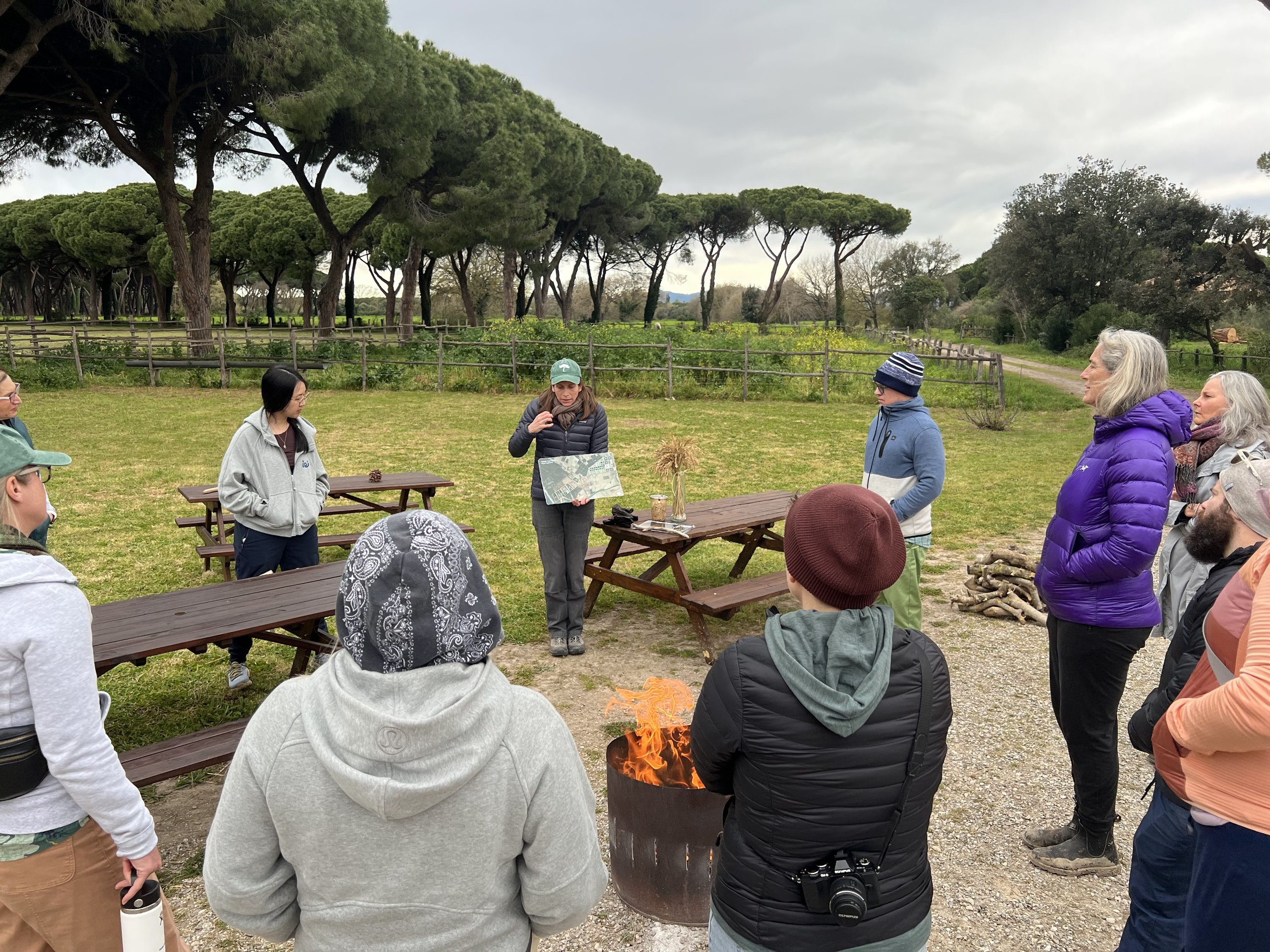
Educational research consistently supports experiential learning models. The Lewinian Mode of the Experiential Learning Process outlines a four-stage cycle: experience, reflection, conceptualization, and application. Programs that incorporate all four elements improve retention and behavioral integration.
This matters particularly for topics such as:
Lifestyle medicine
Prevention and metabolic health
Nutrition science
Social determinants of health
Receiving CME credits from an experience-based program puts professionals in a space where they learn the following truths firsthand:
Mediterranean dietary patterns reduce major cardiovascular events by approximately 30%
Strong life purpose and frequent visits with friends and family reduce mortality by 33% and 32% respectively
Physical inactivity significantly contributes to preventable mortality worldwide
These topics are deeply contextual. Observing how communities integrate movement, nutrition, and social structure into daily life can enhance clinical insight.
Italy provides a compelling example. Life expectancy in Italy exceeds that of the United States by roughly six years. In Sardinia, researchers have identified one of the highest densities of male centenarians worldwide. Studying prevention within these contexts allows clinicians to examine the interaction between culture, behavior, and health outcomes.
Why is Italy a Powerful Setting for CME Learning?
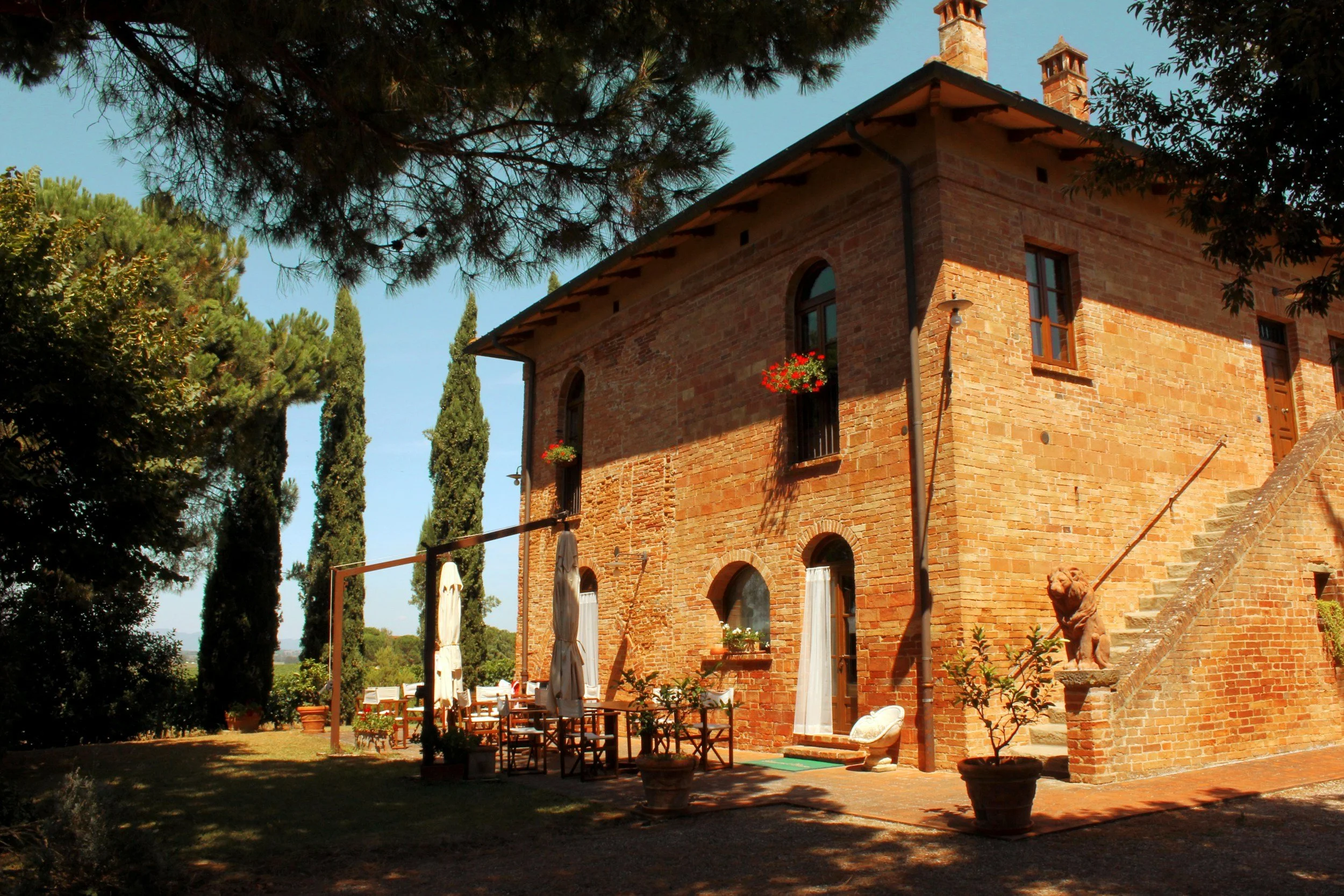
Italy offers a real-world context for understanding prevention and lifestyle-related health. In many communities, daily life reflects habits shaped by culture, relationships, and environment rather than isolated learnings. Being in a place where these patterns are part of everyday life can help clinicians better understand how lifestyle and context influence long-term health.
For healthcare professionals, Italy can function as a living classroom. Learning within culturally rich settings such as Tuscany, Lake Como/Piedmont, and Sardinia allows clinicians to step outside their usual routines and engage with these ideas in context.
Addressing Real-World Justification Questions
When clinicians ask how to justify nontraditional CME, the key considerations are:
Accreditation
Educational rigor
Relevance to scope of practice
Documented learning outcomes
Programs developed by academic leaders and affiliated with accredited institutions can meet these standards while offering immersive formats.
For example, certain international programs are developed in partnership with university faculty and offer AMA PRA Category 1 Credit™ through accredited medical schools. When structured appropriately, these programs align with ACCME criteria just as domestic conferences do.
The justification rests not on travel, but on educational integrity.
The Best Use of CME Money for Long-Term Impact
In an era when physician burnout affects more than half of U.S. doctors, CME can serve more than a regulatory function. It can support professional sustainability.
The best use of CME money often aligns with:
Practice improvement
Patient communication confidence
Evidence-informed preventive care
Professional renewal
Education that integrates reflection, discussion, and real-world application may offer stronger return on investment than education that delivers information alone.
Before defaulting to the most convenient option, consider whether the program offers meaningful engagement and measurable impact. Merely “checking the box” or choosing based on convenience may rob you of the chance to invest CME funds in ways that help you see health through new perspectives and influence how you practice over time.
Culturally grounded, evidence-informed learning can do this in ways that lectures alone cannot, inviting reflection not only on what is learned but also on how that knowledge fits into daily life and work.
Schedule an exploratory call to learn more about our programs
References
Davis D, et al. Impact of formal continuing medical education. JAMA. 1999
Cervero RM, Gaines JK. The impact of CME on physician performance. J Contin Educ Health Prof. 2015
Davis D, et al. Impact of formal continuing medical education. JAMA. 1999
Cervero RM, Gaines JK. The impact of CME on physician performance. J Contin Educ Health Prof. 2015
Kolb DA. Experiential Learning: Experience as the Source of Learning and Development. 1984
Estruch R, et al. N Engl J Med. 2013
Reding K, Lee H, Hovey K, et al. Abstract 4363318: Characteristics of Blue Zones and Their Association with Longevity: Analysis in the Women’s Health Initiative. Circulation. 2025
Lee IM, et al. Lancet. 2012
World Bank Life Expectancy Data
Poulain M, et al. Exp Gerontol. 2004
Shanafelt TD, et al. Mayo Clin Proc. 2022
