
Top 5 Lifestyle Strategies Clinicians Can Learn From Italy
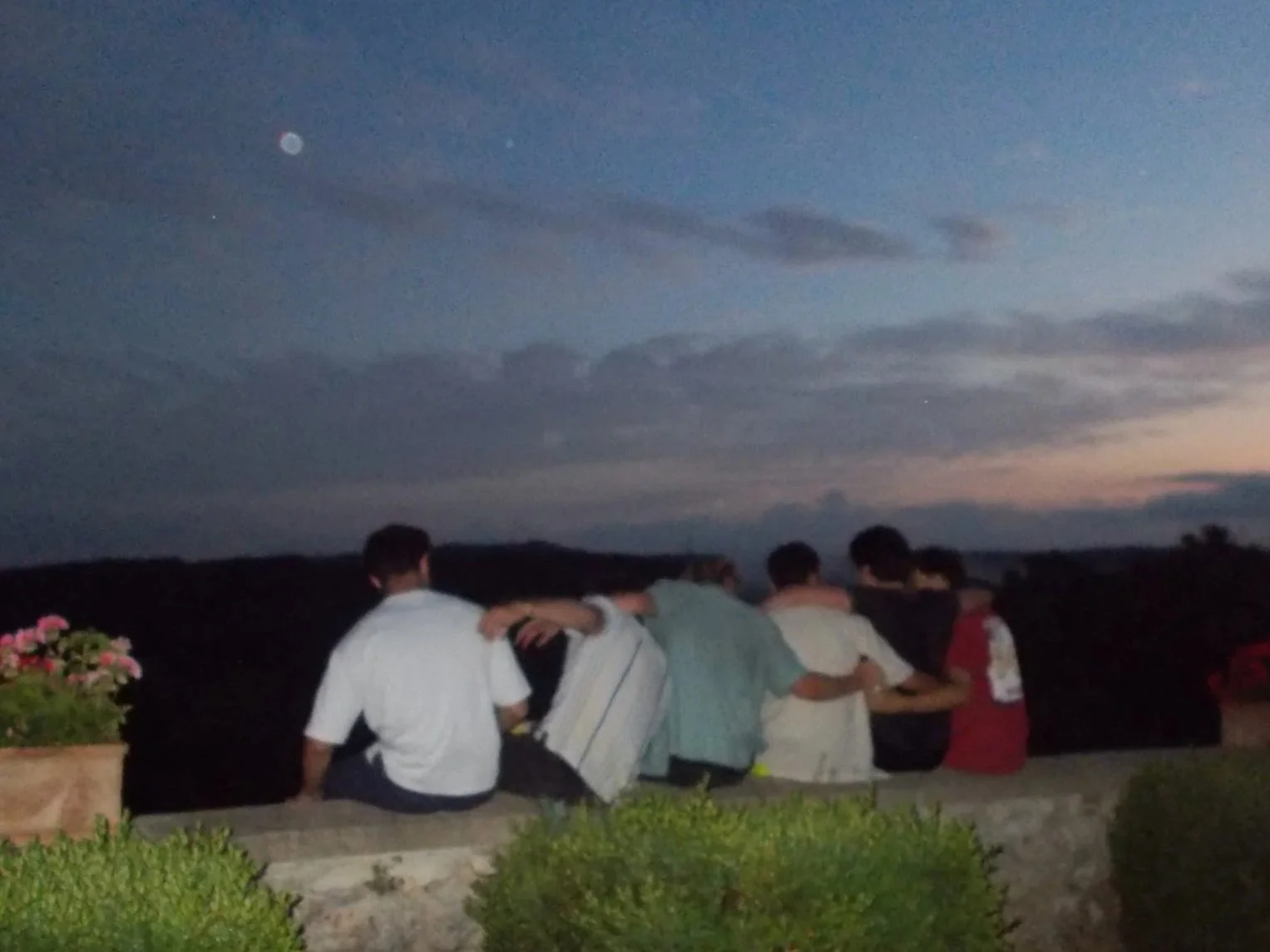
Lifestyle medicine has exploded as part of preventive care. As rates of cardiovascular disease, metabolic dysfunction, and burnout continue to rise, many healthcare professionals are looking beyond isolated interventions and towards daily lifestyle habits that shape health. These habits include optimal nutrition, physical activity, restorative sleep, stress management and social connectedness (1).
Italy provides a valuable example of how these lifestyle patterns affect health in an entire population. The patterns are clear to see all over Italy: shared meals and walkable communities prioritize slower rhythms and social connection. These habits are embedded into daily life and are a big part of why Italians, on average, live significantly longer than Americans (2).
For clinicians, Italy is more than just a destination. It is a living example of lifestyle medicine in practice. Seeing firsthand how these and other lifestyle patterns are embedded into culture helps medical professionals see the practical uses of healthy lifestyle medicine.
Strategy #1: Embrace a Plant-Focused, Seasonal Diet
A clear example of lifestyle medicine in Italy is the Italians’ relationship with food. Meals tend to emphasize quality, seasonality, and moderation rather than restriction and extremes.
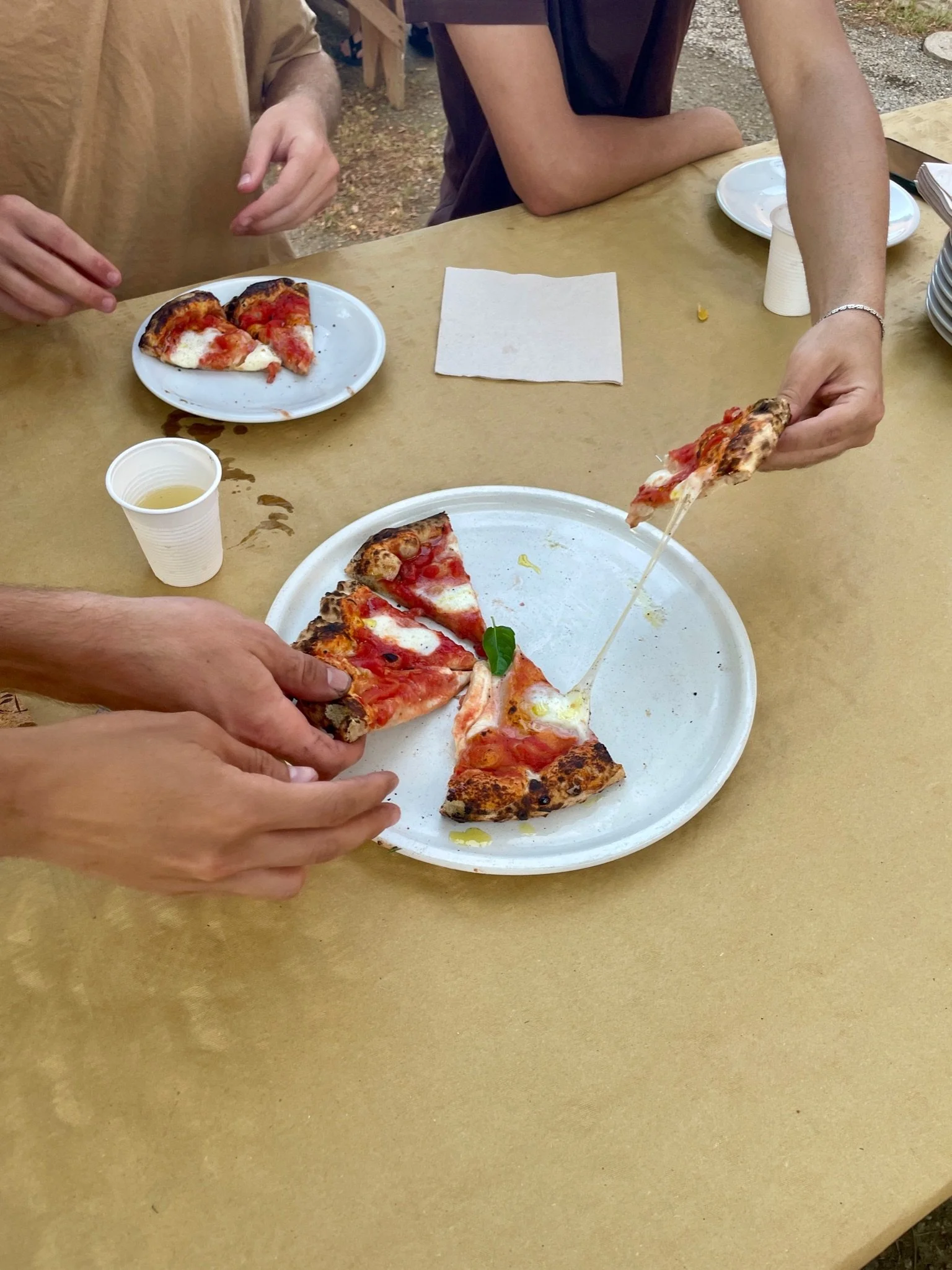
Italian Diet Principles Clinicians Can Apply
Italians eat simply, slowly, surrounded by people and conversation.
Common patterns in Italian diet include:
Seasonal produce and minimally processed ingredients
Plant-heavy meals centered around vegetables, legumes, and grains
Olive oil as a primary fat
Slower meals, surrounded by family and friends, and mindful portions
In many regions, food is approached less as a source of convenience and more as a true part of culture and connection.
For clinicians, the takeaway is practical. Dietary patterns, not isolated nutrients, play a major role in longevity and long-term health (3). In other words, how you eat can be just as important as what you eat.
Strategy #2: Prioritize Movement as Part of Daily Life
In the US, we see exercise as something that we add onto our already busy schedules instead of something that we integrate into our daily lives. After spending time with Italians, it is clear that quite the opposite is true in Italy. Walking remains a big part of daily transportation in much of Italy, which makes movement inevitable for everybody.
Daily movement often includes:
Walking to markets for daily shopping
Walking or biking as part of the commute to work or school
Climbing stairs and navigating hilly villages
Daily evening strolls
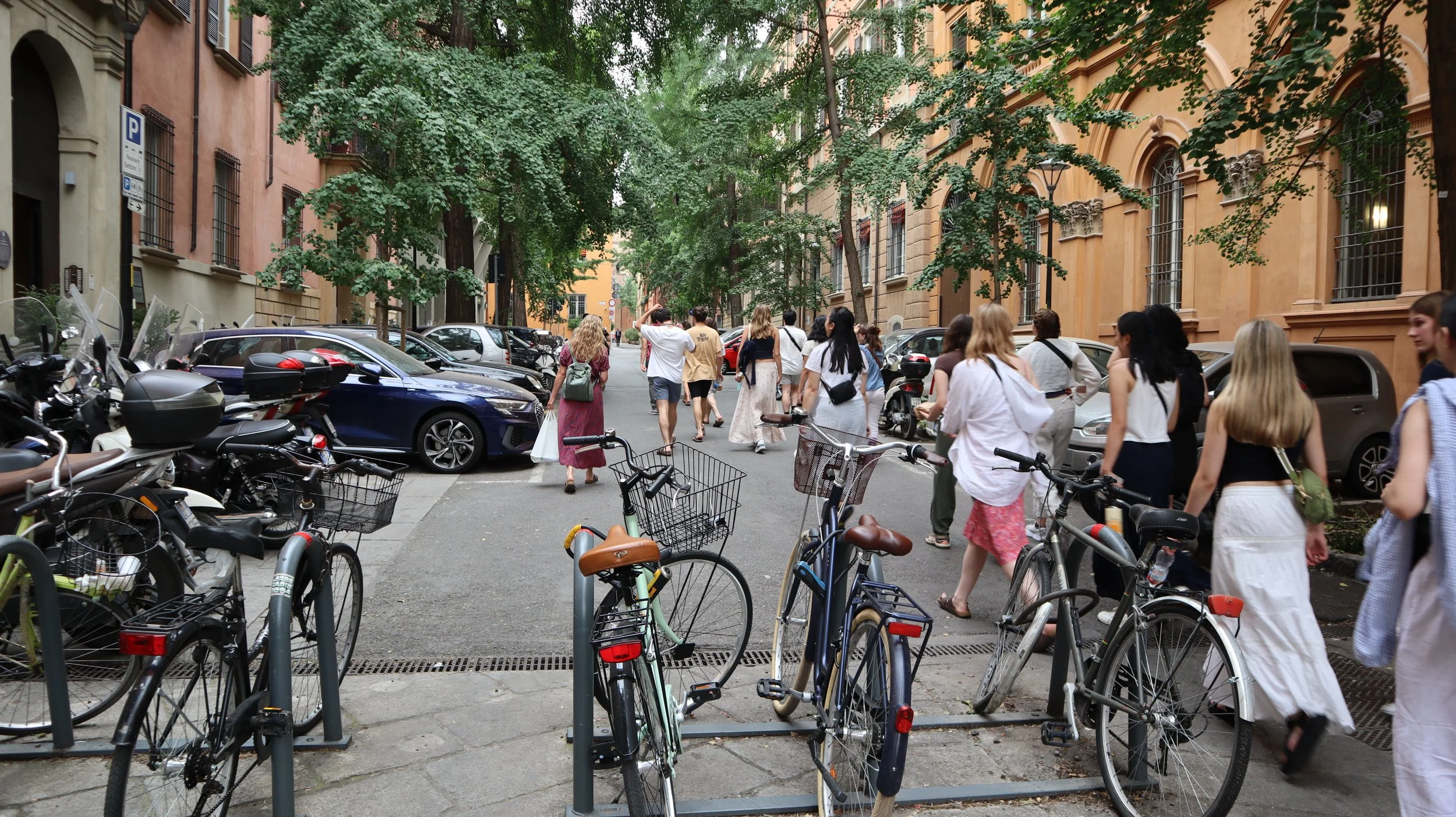
This practice reflects an important principle of healthy lifestyle medicine: sustainable movement is often more effective when it feels natural and repeatable.
Rather than focusing on structured workouts, conversations with patients can include incidental movement, walking routines, and consistency over intensity. Integrating physical activity into lifestyle is the key to incorporating exercise for longevity.
Strategy #3: Cultivate Social Connections for Health
One of the most overlooked aspects of lifestyle medicine is social connection. It is absolutely integral to a happy and healthy life, and Italy has proven to be a wonderful example.
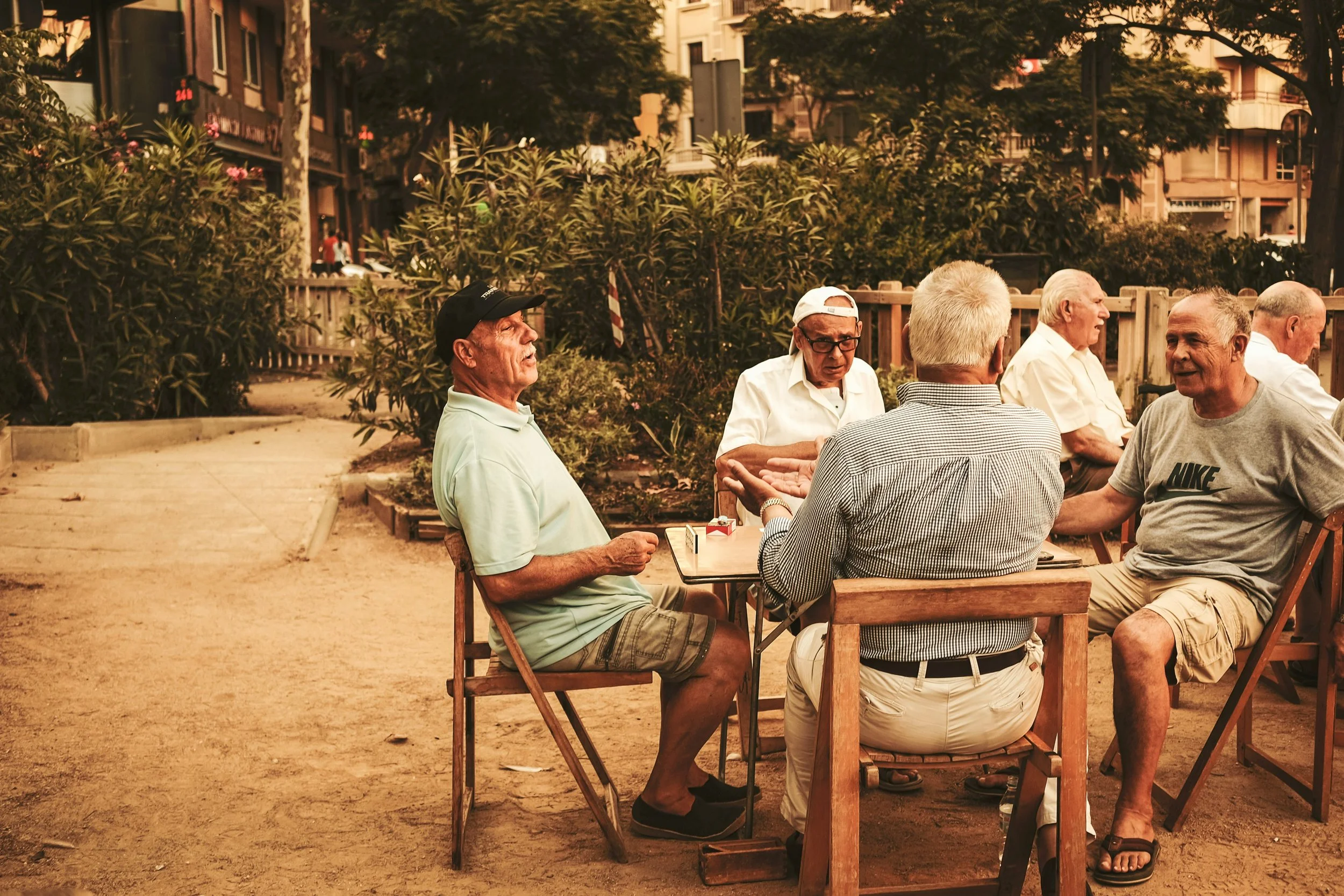
How Community Shapes Wellness in Italy
After visiting Italy, it is clear that Italians prioritize social connection through:
Long shared meals
Close relationships across generations
Strong local identity and physical proximity to loved ones
These habits are especially relevant in regions like Sardinia, one of the world’s recognized Blue Zones. Longevity research in these communities has proven that social connectedness and community plays a major role in maintaining a long and healthy life (4).
Strategy #4: Prioritize Rest, Rhythm, and Stress Reduction
The modern world often rewards urgency, productivity, and constant availability. The Italian lifestyle offers a different perspective.
Lessons in Work-Life Balance from Italy
Italians make rest and rejuvenation a part of their culture in many ways:
Midday pauses (riposo) and slower pace of life
Mindfulness in meals without multitasking
Prioritizing time for conversation and reflection
Less emphasis on constant efficiency
These habits are not framed as “interventions” or even as “healthy” in the first place, and yet they naturally support a stress-free life that maintains nervous system recovery.
Chronic stress deteriorates health in countless ways, including creating an increased risk of cardiovascular disease, metabolic dysfunction, and burnout (5).
Integrating time for recovery into daily life and prioritizing peace over productivity when possible is a good way to avoid the stress that later leads to health problems.
Strategy #5: Learn Through Immersive, Experiential Observation
Many clinicians already understand the science behind prevention. The challenge is taking the theory and applying it to daily life in sustainable and realistic ways.
This is where experiential learning becomes valuable.
Italy as a Living Classroom for Clinicians
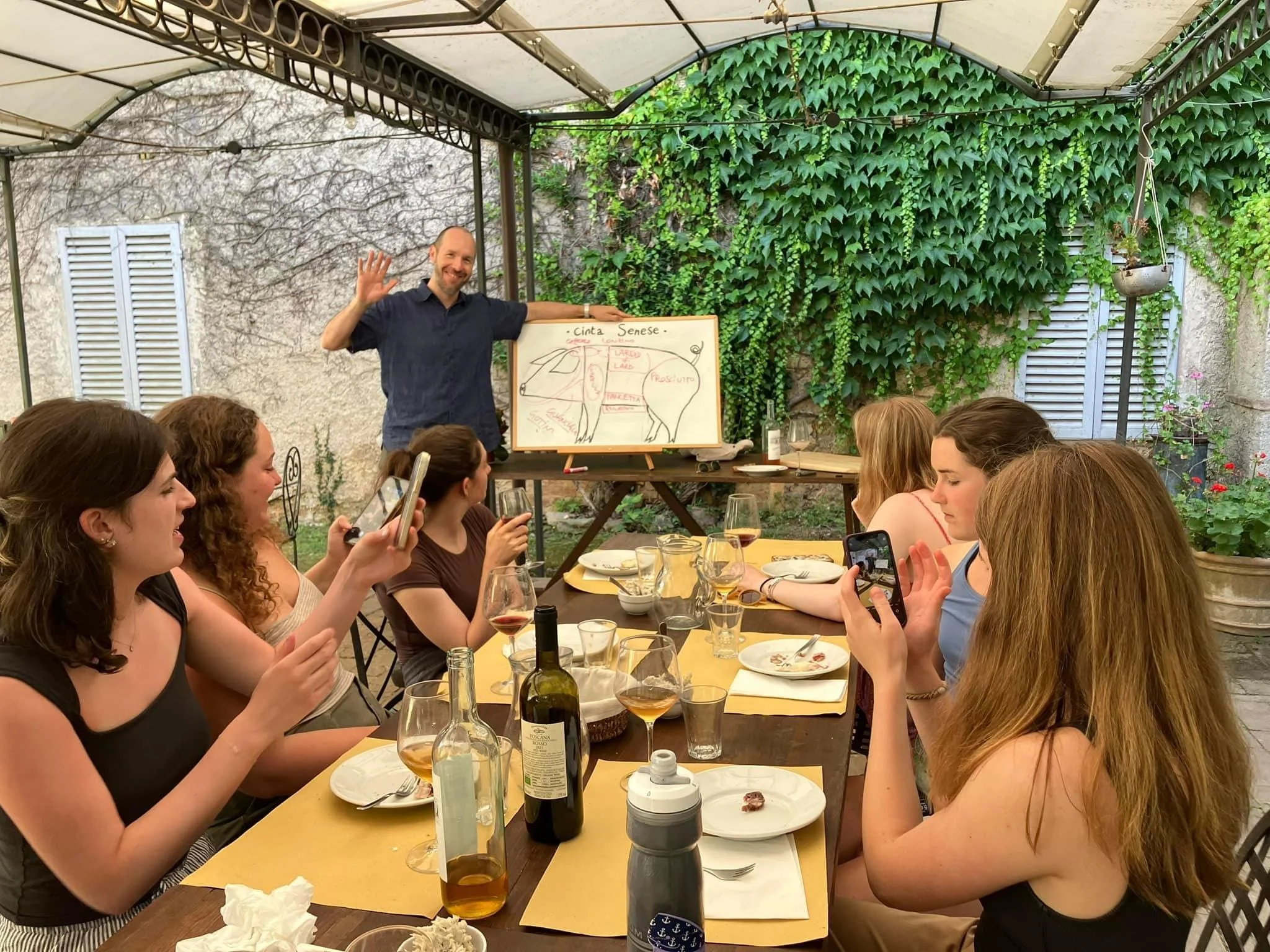
Traveling to Italy allows clinicians to immerse themselves into an environment that puts lifestyle medicine into practice. The difference is, however, that Italians do not practice these habits on purpose in the name of health. There is a lot of value in seeing how cultures are able to integrate these healthy practices seamlessly. By seeing this first hand, clinicians can learn how to bring these habits home in a more sustainable way.
This approach aligns with how Immersive Explorations structures its programs: rooting CME learning with environment, observation and experience creates a completely new way to understand health.
How to Apply Italian Lifestyle Lessons at Home
The goal is not to recreate the Italian lifestyle perfectly, but to identify patterns that can be used in clinical practice to improve long-term health outcomes.
Some ways to integrate these patterns into daily life of patients can be:
Encouraging simpler, plant-forward meal planning
Reframing physical activity as part of realistic daily routine
Discussing stress management by prioritizing rest and reflection
Emphasizing time spent with family and friends as productive for health
Of course, it can be easier said than done to take practices from a different country and culture and incorporate them into our own busy lives. However, there are ways that we can pick and choose behaviors and intentionally add them to our daily routines in a way that is realistic.
There is growing evidence that clinicians who practice healthy behavior themselves are more likely to counsel patients on those behaviors effectively (6). Meeting people in Italy who have these healthy habits entrenched into their lives can inspire clinicians to make healthier choices themselves, who in turn will help patients do the same.
Transforming Practice Through Lifestyle Lessons from Italy
At its core, lifestyle medicine is not built around incorporating one or two habits alone. It reflects an interaction between nutrition, movement, stress, environment, and connection.
A trip to Italy offers a tangible way for medical professionals to see how these factors can work together in daily life.
CME travel in places like Italy is a way to step outside the routine of the clinical setting and engage with these principles directly. Italy CME travel will allow clinicians to live the Italian lifestyle themselves. If you’re ready to see how this experience can affect your practice, schedule an exploratory call with us today.
References
American College of Lifestyle Medicine – About Lifestyle Medicine. Overview of lifestyle medicine principles and evidence-based approaches to preventive care.
Worldometers – Life Expectancy by Country. Global life expectancy data and demographic trends.
Warburton DER, et al. Health benefits of physical activity. CMAJ. 2006
Pes GM, Poulain M. The Blue Zones of Sardinia. Experimental Gerontology. 2013
American Heart Association. Stress and Cardiovascular Health
Lobelo F, et al. Physical activity counseling in clinical practice. The Lancet. 2018.
