
Combating Healthcare Worker Burnout with Travel
Burnout has become increasingly common, specifically in healthcare.
Understanding how to respond to burnout requires more than short-term relief. It involves recognizing why burnout happens so often in this industry, why common solutions do not always solve the problem, and how changes in environment can support a meaningful reset. The goal is not to leave the work behind, but to return to it differently.
Understanding Burnout Among Healthcare Professionals
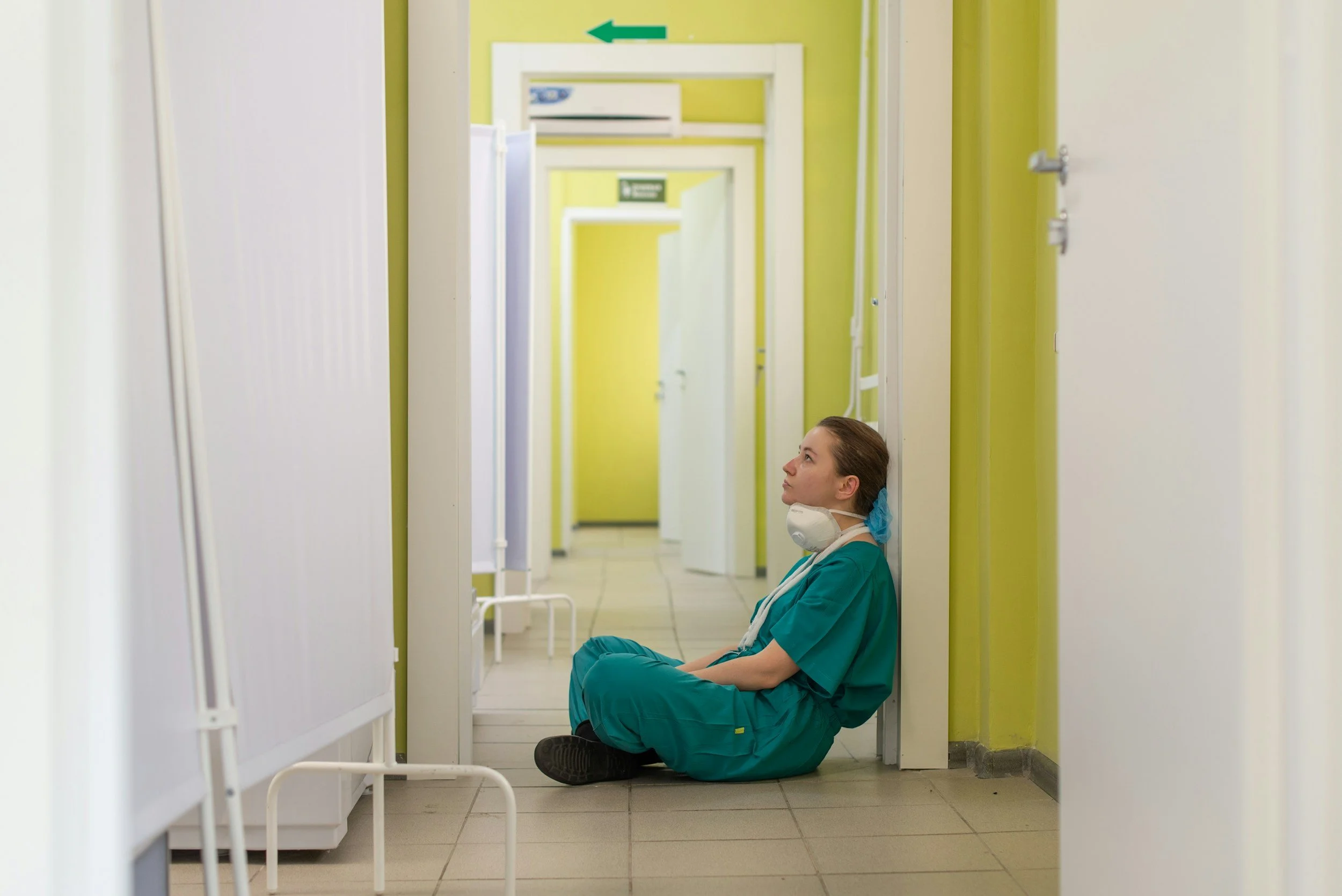
What Is Burnout in Healthcare Professionals
Burnout is not simply fatigue. It is a pattern that affects emotional energy, relationships, and sense of purpose.
In healthcare, burnout typically presents in three ways(1):
Emotional exhaustion: Feeling drained or unable to recover between shifts, even after time off.
Depersonalization: Developing emotional distance from patients or colleagues.
Reduced sense of accomplishment: Work that once felt meaningful may begin to feel endless or ineffective.
Why Burnout in Healthcare Is Different
Healthcare work carries emotional, physical, and moral weight. Clinicians tend to absorb fear and uncertainty, while remaining steady for others.
Over time, that sustained strain can take a toll. A review by Stanford University shows that rates of burnout symptoms exceed 50% in studies of both physicians-in-training and practicing physicians (2).
Burnout is especially common in healthcare because of:
High cognitive load and constant responsibility
Systemic pressures: administrative demands, productivity metrics and staffing limitations
Limited recovery time between intense shifts
If burnout is a signal, the response may require more than pushing through or taking brief time off. For some clinicians, stepping into a different environment can create space for renewal. Travel can be one way to begin that reset.
Traditional Healthcare Worker Burnout Solutions (And Why They’re Often Not Enough)

Common Approaches to Combating Burnout in Healthcare
When burnout begins to surface, most healthcare professionals turn to familiar solutions:
Time off: Short breaks or vacations can reduce immediate stress and improve sleep.
Mindfulness apps and meditation: Tools that can help regulate stress responses and build awareness.
Organizational wellness initiatives: Resilience workshops, peer support programs, and employee assistance resources
These individual efforts matter, and they are not insignificant, but they are often designed to manage stress rather than address its deeper roots(3).
The Limits of Short-Term Fixes
Burnout is not always solved by rest alone.
A few days away can reduce fatigue, but returning to the same environment can quickly reactivate the same stress patterns. There is an important difference between time away and a meaningful reset.
A true reset creates space to reflect and reconnect with purpose. Without that deeper shift, burnout can quietly return, even after a well-deserved break.
How to Combat Burnout: Why Environment Matters
Our environment shapes how we think and respond. When we stay in the same physical and professional space, our stress patterns often remain the same. A shift in environment can interrupt those patterns and create room for perspective.
This matters for several reasons:
Novelty supports a mental reset. New surroundings, especially natural environments, engage the brain differently and can increase attention and curiosity(4).
Distance from routine creates perspective. Stepping away from daily responsibilities allows space to undestand what is around you in a new way.
Learning can be restorative. Meaningful learning outside performance pressure can reconnect people with the purpose that drew them to medicine in the first place.
Travel as a Tool for Combating Healthcare Worker Burnout

Not all travel restores in the same way. There is a difference between stepping away for distraction and entering an experience that creates perspective. Immersive trips offer psychological benefits that go beyond relaxation. Rather than simply consuming a destination, it invites participation and engagement.
When pace slows, curiosity returns.
Healthcare work demands efficiency and constant decision-making. Immersive environments encourage something different: walking, sharing meals, learning within a cultural setting, and engaging in meaningful conversation This change of pace invites participants to slow down and restore attention and presence.
For many in medicine, this shift reconnects them with the values that drew that to healthcare in the first place: service, learning, and human connection.
The Difference Between Vacation Travel and Intentional Travel
Vacation travel centers on comfort and escape, where rest is the primary goal.
Intentional travel carries a different rhythm. It emphasizes:
Active engagement instead of passive consumption
Reflection alongside experience
Learning and genuine connection
The goal is not just to relax, but to return with perspective.
Italy as a Living Classroom for Recovery & Renewal
Italy offers more than beauty and history. In certain regions, it also offers a living example of longevity and well-being in action.
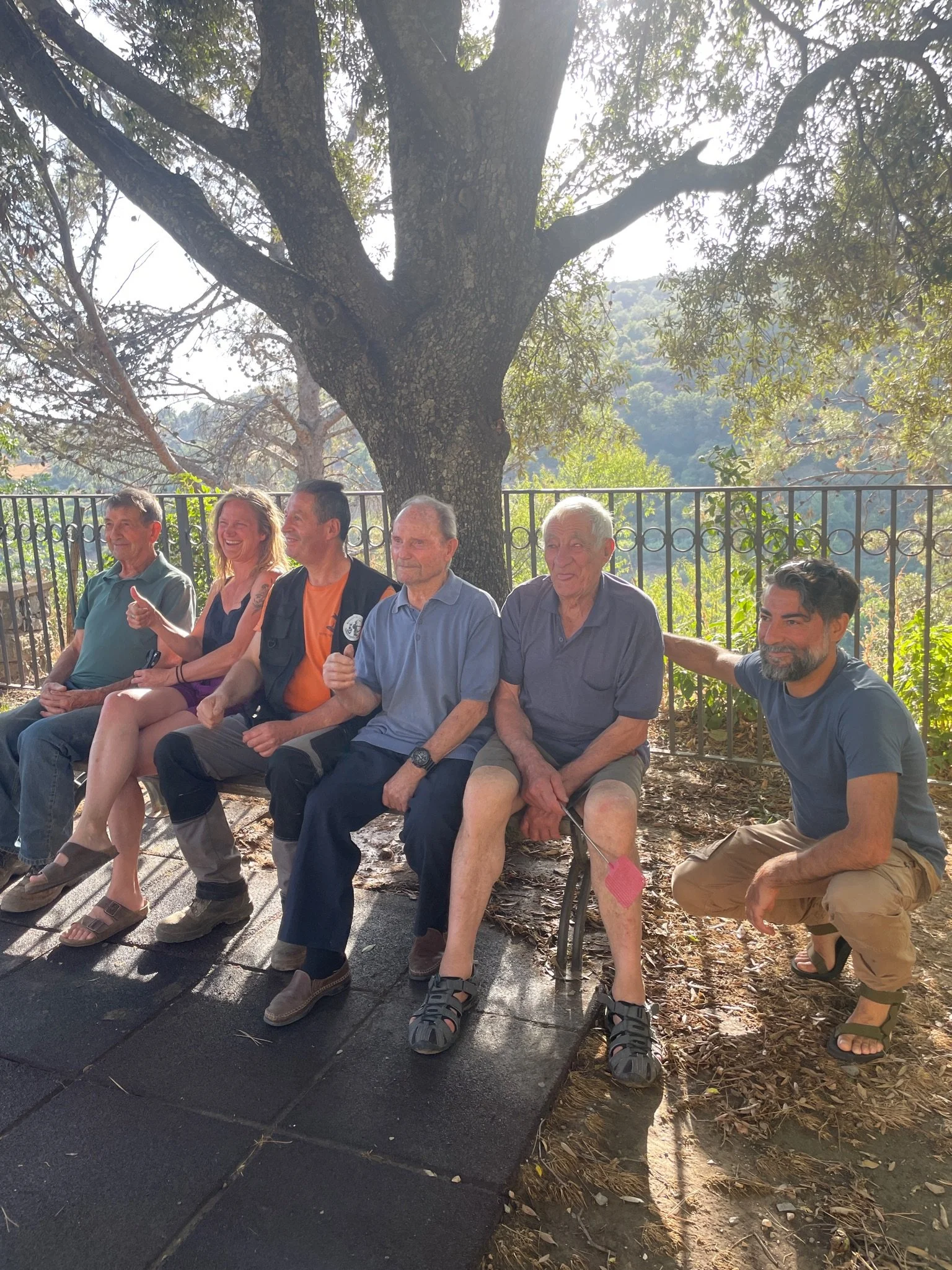
What Healthcare Workers Can Learn from Italian Approaches to Well Being
Italy offers a meaningful setting for observing everyday practices related to well-being. Sardinia is recognized as one of the world’s original Blue Zones, regions where people live longer and maintain strong health into older age. In these communities, consistent patterns include natural daily movement, a Mediterranean-style diet(5) centered on vegetables and olive oil, and strong social bonds that support purpose and belonging(6).
These habits are not extreme interventions; they are woven into everyday life. For healthcare professionals, seeing prevention lived in this way can shift understanding. Longevity becomes less about isolated medical advice and more about culture, rhythm, and connection.
Prevention becomes visible in shared meals, walking conversations, and multigenerational connections. These experiences can reinforce the idea that health is shaped not only in clinics, but in daily life.
Combining Learning & Restoration to Combat Burnout in Healthcare
Combating burnout requires more than managing stress. It requires renewal. Continuing medical education is often viewed as another requirement. Another obligation added to an already full schedule. But it does not have to be that way.
When learning moves beyond traditional clinical settings, it creates space for genuine curiosity growth in the process of learning.
Immersive Explorations is built on that belief. Our CME programs are more than credit hours. In the right environment, learning can feel restorative rather than depleting.
Moving Forward Without Leaving Yourself Behind
Burnout in healthcare reflects the structure and demands of a system that often asks more than it restores.
Moving forward may mean seeking experiences that rebuild curiosity and strengthen connection, not just endurance. Immersive learning abroad, particularly in places shaped by longevity, can offer both renewal and an experience to never forget.
Ready to combat burnout while completing your CME? View our upcoming immersive programs in Italy today!
Have questions or would like to learn more? Schedule an exploratory call with us.
References
1. World Health Organization. Burn-out an “occupational phenomenon”: International Classification of Diseases.
2. West CP, Dyrbye LN, Shanafelt TD. Physician burnout: contributors, consequences and solutions. Journal of Internal Medicine. 2018.
3. National Academy of Medicine. Taking Action Against Clinician Burnout: A Systems Approach.
4. Berto R. The role of nature in coping with psycho-physiological stress. Environmental Health and Preventive Medicine. 2014. '
5. Estruch R, et al. Primary prevention of cardiovascular disease with a Mediterranean diet. New England Journal of Medicine. 2013.
6. Holt-Lunstad J, et al. Social relationships and mortality risk: A meta-analytic review. PLoS Medicine. 2010.
